

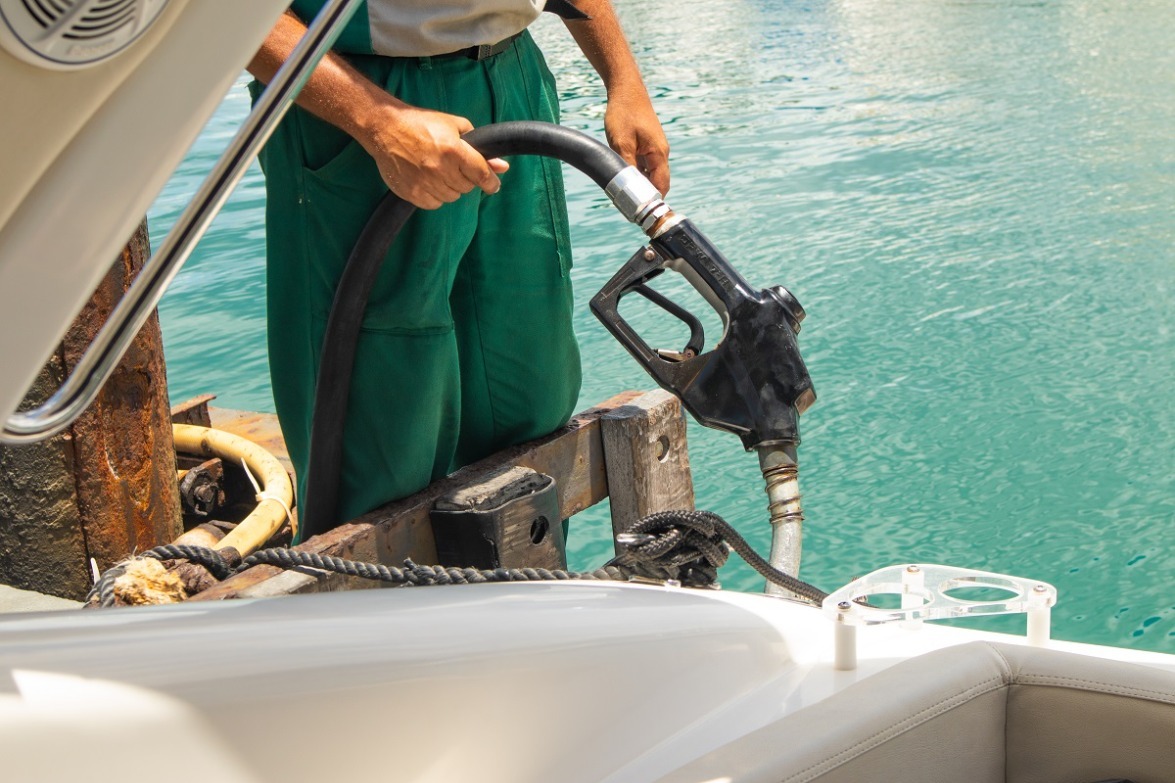
Refueling a boat isn’t quite the same as filling up your car. Gasoline vapors are heavier than air and can collect in enclosed spaces like the bilge, creating a serious fire or explosion risk if not handled properly.
That’s why it is important to follow the proper fueling procedures for your own safety and that of your passengers and the environment. Even minor accidents of fuel spillage can cause pollution of the water and damage to marine life. Also, in many instances, these spills are required by law to be reported.
This is why it is so important to follow the proper procedures for refueling, not only for your own safety, but for the safety of others and for the environment as well. Even a small spill of gasoline into the water can have devastating effects, and in many cases, spills must be reported. Keep you and your boat occupants safe from a potentally life threatening situation.
By taking a few extra precautions each time you refuel, you can greatly reduce the danger of a spill or explosion and enjoy a safe and enjoyable day on the water.
Understanding the Basics
It is possible for even the most seasoned boaters to forget a few key details that make a big difference in the refueling process. A few additional tips that should be included are:
- Know your tank capacity before you go. This ensures that you don’t spill any extra fuel unnecessarily.
- Fill up slow and pay attention. Filling the tank too quickly may cause a spill or overflow.
- Don’t count on auto-shutoff. The fuel system of a boat is much different from a car and may not shut off in time.
- Leave room for expansion. Filling the tank 90% of the way helps prevent fuel from venting into the water.
- Have absorbent pads on hand. These come in handy in case of a spill or leak.
By following these simple guidelines, you are protecting not only your boat, but also helping keep the the waterways free to gasoline.
Safety Precautions
Safety should always be your top priority when refueling your boat. Ensure that all electrical equipment and engines are switched off before you begin. It goes without saying that you need to follow the “No Smoking” signs posted all around your refueling stop, including vapes and any other electronic devices that may cause a spark. Also just in case always keep a fire extinguisher within easy access.
When fueling your boat, avoiding common mistakes is as important as following the correct steps. One of the most common errors that boaters make is leaving the engine or electronics on while refueling. This is a serious ignition risk. The passengers should get off the boat and maintain a safe distance while fueling.
Another common problem is spilling diesel in the tank. Unlike cars, spilling fuel on a boat is not just a waste, it has real environmental damaging consequences so fill slow and never top off. If you smell fuel after refueling, it could be leaking vapours or an overflowing tank. Do not start your engine in such a case. Always be alert, especially on the water if you smell gas fumes.
If a spillage does happen, do not use detergent or soap to clean it. It may seem like a good idea to use detergents, but this spreads the fuel and worsens the damage. Using proper absorbent materials and taking preventive measures in the first place will help keep your boat and the surrounding waters a lot safer.
The Refueling Process
Begin your refueling by grounding the fuel nozzle against the fill pipe to prevent sparking. Fill the tank slowly to avoid spills or overflows, stopping when you hear a change in tone that indicates the tank is near full. After filling, tightly secure the fuel cap to prevent leakage.
Many boaters rush to get back on the water by making sure to do a few checks after you are done gassing up. After fueling:
- Open hatches and ventilate the boat
- Run the blower for at least 3–5 minutes (if applicable)
- Perform a quick “sniff test” for fuel vapors
- Check for leaks or spills before starting the engine
Skipping this step can leave dangerous fumes trapped onboard, increasing the risk of ignition.
Boat Country: Your Partner for Safe and Enjoyable Boating
After refueling your boat, take a few minutes to check for any signs of fuel leakage or spills. Use absorbent pads if necessary to clean up any accidental spills. Before starting your engine, allow a few minutes for any fumes to dissipate.
Here at Boat Country looking for your next boat is just the start. We help you create memories on the water, safely and confidently. Our experts will be happy to answer any questions about boat operation, maintenance and safety best practices like proper refuelling whether you are a first-time buyer or a seasoned boater. We have the largest selection of Stabicraft boats and a wide selection of new and used boats, trailers, and outboard motors in the Seattle, Tacoma, Bellevue, Vancouver BC, Bellingham, and all points north and south of Puget Sound.
Boat Country is conveniently located on the water at the mouth of the Snohomish River so you have both Sound and River access to refuel and service your boat. Dagmar’s Marina is located just next door with covered and uncovered dry dock storage and moorage as well as refueling services.